
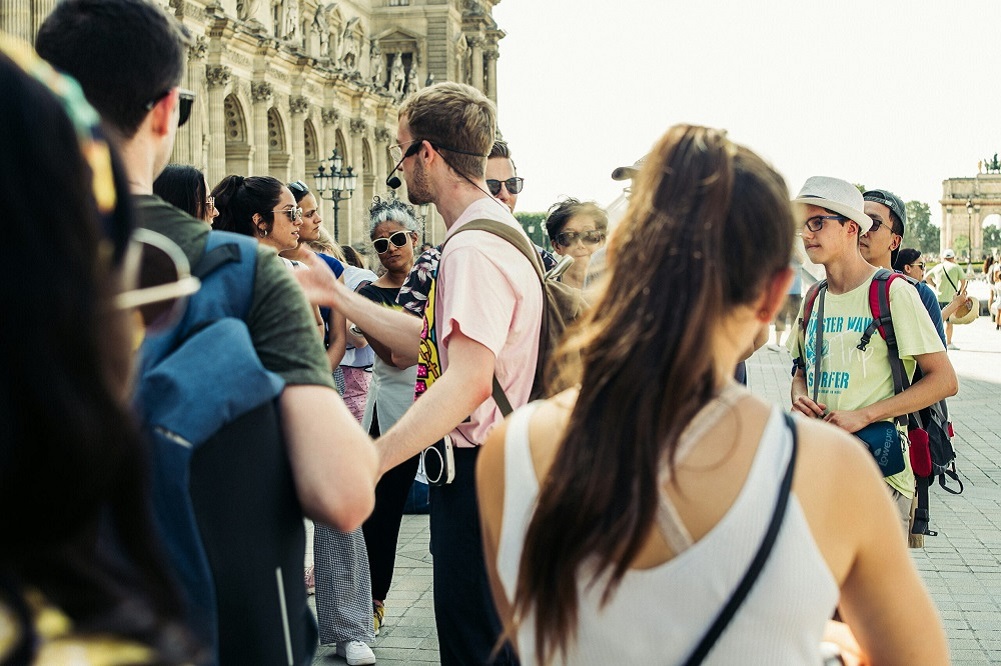

With the rise of travel smartphone applications, digital mapping systems, and online booking engines, modern travelers have more tools than ever to manage their own itineraries. Independent travel has become highly accessible, prompting some to wonder if traditional tour guiding has become obsolete. However, a significant difference exists between simply navigating a destination and genuinely understanding it.
Tour guides are not merely walking informational directories or logistics coordinators. Instead, they serve as cultural translators, safety nets, and local storytellers who actively transform a standard sightseeing trip into an immersive, emotionally resonant journey. Examining the multi-faceted ways these professionals elevate exploration reveals why human guidance remains the ultimate value add in global tourism.
Deconstructing the Destination through Storytelling
The primary drawback of independent travel is the tendency to skim the surface of a place. A tourist can stand before a centuries-old monument, admire its physical architecture, read a brief plaque or a digital encyclopedia entry, and walk away without grasping its true significance.
A professional tour guide shifts the experience from passive observation to active comprehension through the art of narrative. They possess deep historical, cultural, and contextual knowledge that bridges the gap between the past and the present. Rather than bombarding visitors with a dry recitation of dates and names, an expert guide weaves these facts into a compelling human narrative. They explain the political intrigues, personal sacrifices, and societal shifts that led to the creation of a monument, making the cold stone or ancient canvas come alive for the listener. This storytelling transforms an abstract point of interest into a memorable, personally meaningful chapter of history.
Seamless Logistics and Decision Fatigue Elimination
Planning and executing a flawless travel itinerary requires immense cognitive energy. An independent traveler must constantly manage public transit schedules, coordinate timed entry tickets, navigate language barriers, and make dozens of micro-decisions regarding where to eat, sleep, and walk. This continuous operational management often induces decision fatigue, shifting the tone of a vacation from relaxation to high-stress logistics.
A tour guide acts as a operational buffer, absorbing these logistical pressures so the traveler can focus entirely on the experience. The organizational value of a guide includes several key components:
-
VIP Entry and Crowd Management: Guides frequently possess special credentials or deep operational knowledge that allows tour groups to bypass notoriously long ticket lines at major global attractions, saving hours of valuable vacation time.
-
Optimized Route Navigation: Local experts know exactly how to move through a crowded museum, historic site, or chaotic city market using the most efficient paths, ensuring visitors see the highlights without getting lost or overwhelmed.
-
Real-Time Problem Solving: If a museum unexpectedly closes, a train goes on strike, or a sudden downpour occurs, a guide can instantly pivot the itinerary, utilizing their local network to arrange an alternative activity seamlessly.
By handling the intricate machinery of travel behind the scenes, guides restore the sense of wonder and ease that vacations are meant to provide.
Accessing Hidden Perspectives and Hyper-Local Insights
Every destination has two distinct realities: the curated version presented to tourists and the authentic version lived by locals. While guidebooks point everyone toward the same high-traffic restaurants and shops, a local tour guide provides a passport into the authentic heart of a community.
Because they live and work within the region, guides offer hyper-local insights that cannot be indexed by internet algorithms. They know the quiet alleyways away from the crowds, the family-owned eateries serving authentic regional cuisine without inflated tourist pricing, and the secret viewpoints that offer perfect sunset vistas.
Furthermore, guides understand the subtle social nuances, contemporary political dynamics, and daily rhythms of their home cities. Engaging with a guide allows travelers to ask questions about modern life, local traditions, and cultural values, fostering a deep, human-to-human connection that goes far beyond standard commercial tourism.
Bridging Cultural and Communication Barriers
Navigating a foreign country where you do not speak the language can be isolating. Misinterpreting local customs or failing to understand social etiquette can cause unintended offense, legal complications, or financial exploitation.
Tour guides serve as indispensable cultural bridges. They possess total fluency in both the local language and the cultural norms, shielding travelers from costly misunderstandings. A guide can translate menus, negotiate fair pricing at traditional markets, and handle transactional interactions smoothly.
More importantly, they teach travelers how to be respectful guests. A guide will explain proper attire for sacred spaces, instruct on correct tipping customs, and demonstrate appropriate gestures or greetings. This cultural mediation gives travelers the confidence to immerse themselves in unfamiliar environments safely, knowing they are navigating the community with respect and integrity.
Enhancing Safety and Risk Mitigation
Adventure travel, wilderness trekking, and exploration of dense urban centers inherit natural risks. For an unguided tourist, a wrong turn in a remote national park can result in life-threatening disorientation, while entering an unsafe neighborhood in a unfamiliar metropolis can compromise personal security.
In high-stakes environments, a guide is an essential safety asset. Wilderness, diving, and alpine guides undergo rigorous certification processes that include wilderness first aid, survival training, and risk assessment protocols. They understand the patterns of local wildlife, can accurately predict sudden weather changes, and know the physical limits of the terrain.
In urban environments, a guide’s presence drastically reduces vulnerability to scams, pickpocketing, and predatory tourism practices. They know which areas to avoid, how to identify illegitimate transport operators, and what to do in an emergency situation. This continuous baseline of security allows travelers to step out of their comfort zones and push their personal boundaries safely.
Tailoring the Experience to Individual Interests
A common critique of group tourism is that it can feel rigid or generalized. However, modern guiding emphasizes personalization. Private and small-group guides specialize in adaptive itinerary design, sculpting the experience around the specific passions of the traveler.
If a guest reveals a deep interest in culinary arts, a private guide can modify a standard city walking tour to focus extensively on street food stalls, spice markets, and traditional cooking methods. If a traveler is fascinated by architecture, genealogy, or military history, the guide can shift the commentary to highlight those specific themes, ensuring the dialogue remains consistently engaging and relevant to the audience. This highly tailored approach ensures that value is maximized for every individual, regardless of their background or learning style.
Frequently Asked Questions
What is the standard tipping etiquette for a tour guide in different regions?
Tipping customs depend entirely on the country you are visiting. In the United States, tipping is deeply embedded in the service economy, and it is customary to tip fifteen to twenty percent of the total tour cost. In many European nations, a smaller cash tip of ten to twenty Euros per day is standard for a good experience, whereas in countries like Japan, tipping is not part of the culture and can sometimes be viewed as confusing or impolite.
How can a traveler verify the credentials of a professional tour guide?
Reputable tour guides hold official certifications from regional or national tourism boards, such as the World Federation of Tourist Guide Associations. When booking independently, travelers should look for guides who prominently display their official license badges or registration numbers. Reading verified reviews on major travel platforms and checking for memberships in local historical or guiding societies also provides confirmation of professionalism.
Are private tours worth the extra financial investment compared to group tours?
Private tours offer a significantly higher return on investment if you prioritize scheduling flexibility, specialized knowledge, and a customized pace. While group tours are more budget-friendly, they operate on strict time frames and generalized scripts. A private tour allows you to linger at favorite exhibits, skip sections that do not interest you, and engage in an ongoing, one-on-one dialogue with the expert.
How do tour guides manage groups with vastly different physical abilities?
Professional guides are trained in group dynamics and inclusivity. Before setting out, they assess the mobility levels of the participants. Throughout the tour, they will strategically place rest stops near historical talking points, choose paths that utilize ramps or elevators when available, and adjust the walking pace to ensure the slowest member of the group is never left behind or made to feel uncomfortable.
What is the role of a step-on guide in the travel industry?
A step-on guide is a hyper-local specialist who boards a traveling tour bus or coach when it enters a specific city or historic district. While the primary tour director manages the long-distance logistics and accommodations for the entire trip, the step-on guide provides specialized, highly detailed commentary about their specific hometown for a few hours before stepping off.
How do tour guides help promote sustainable and responsible tourism?
Guides are the front-line defenders of local ecosystems and cultures. They promote sustainability by enforcing Leave No Trace principles in natural areas, preventing tourists from disturbing wildlife, and stopping visitors from climbing on fragile ancient ruins. Economically, they support local communities by consciously directing tourist dollars toward independent local artisans, vendors, and family-owned businesses rather than multinational corporations.