
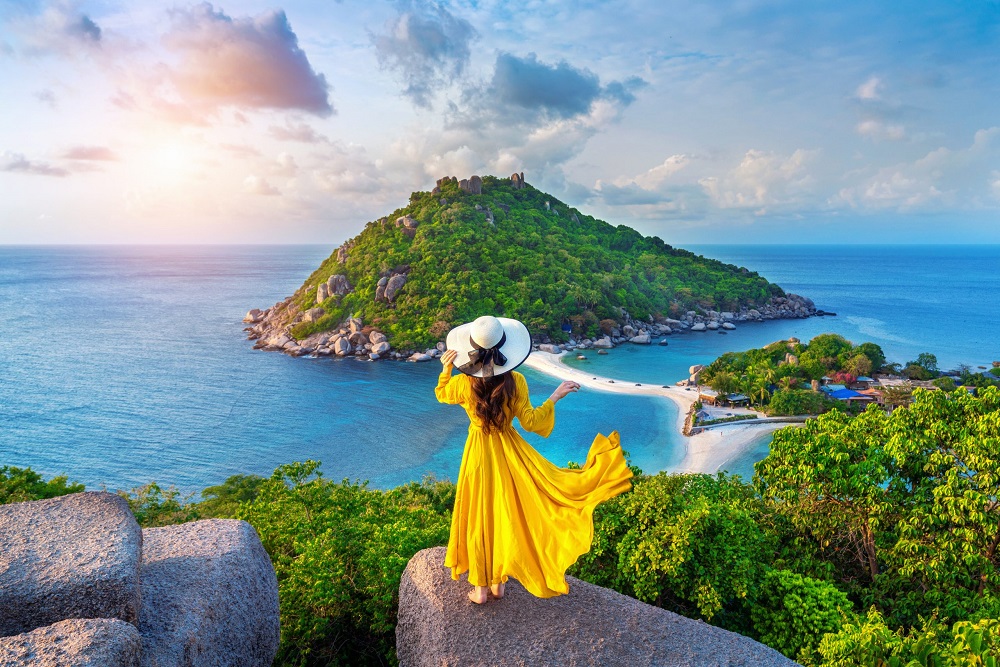

Selecting a vacation destination often seems as simple as browsing beautiful photographs online or asking a friend for a recommendation. However, many travelers return from trips feeling underwhelmed or exhausted because they chose a location that did not align with their actual personality or current emotional needs. A destination that is perfect for one person can easily be stressful or boring for another.
Choosing the ideal vacation destination requires looking past popular trends and examining your personal travel style. Your travel style is a dynamic mix of your psychological traits, budget parameters, physical energy levels, and ultimate goals for taking time off. By systematically analyzing these variables, you can avoid costly planning mistakes and select a destination that provides a deeply satisfying experience.
Deconstructing Your Underlying Motivations
Every successful trip begins with self-reflection. Before checking flight prices or lodging availability, you must isolate the true purpose of your trip. Human travel motivations generally fall into distinct categories, and identifying yours will narrow down your geographical options immediately.
If your daily routine involves intense mental strain and constant decision-making, your true motivation is likely rest and restoration. For this travel style, destinations that require complex navigation, language barriers, or aggressive physical itineraries will counteract the purpose of your vacation. You should look toward quiet coastal villages, isolated mountain cabins, or wellness retreats that prioritize relaxation and comfort.
Conversely, if your everyday environment feels predictable or stagnant, your primary driver is likely novelty and stimulation. For an exploration travel style, a standard beach resort will induce boredom within forty-eight hours. You will thrive in culturally dense environments, historic urban centers, or developing regions that offer constant sensory inputs, unique culinary landscapes, and opportunities to learn.
Defining the Core Travel Styles
While no traveler fits perfectly into a single category for life, most individuals lean toward a specific travel style for any given trip. Understanding these archetypes helps clarify what infrastructure and activities you need a destination to provide.
The Slow Traveler and Culturist
This travel style prioritizes depth over breath. Slow travelers prefer to unpack their bags once, settle into a neighborhood, and experience the daily rhythms of local life. They choose destinations based on historical significance, art scenes, and culinary traditions.
-
Ideal Environment: Walkable historic cities or regions with interconnected villages, extensive public transit, and vibrant neighborhood markets.
-
Key Focus: Visiting independent cafes, attending local theater or musical performances, and spending hours wandering through museums without a rushed itinerary.
The Adventure and Wilderness Enthusiast
For this archetype, a vacation is synonymous with physical movement and direct immersion in nature. These travelers view the natural landscape as an interactive terrain rather than a visual backdrop.
-
Ideal Environment: National parks, coastal regions with strong surf breaks, alpine mountain ranges, or remote wilderness areas.
-
Key Focus: Backpacking, mountain biking, whitewater rafting, diving, or rock climbing, often with a preference for minimalist or outdoor lodging.
The Urban Explorer and Trendsetter
Urban explorers are energized by the collective human energy of major metropolitan areas. They track contemporary culture, architectural innovations, nightlife, and cutting-edge gastronomy.
-
Ideal Environment: Densely populated global mega-cities with distinct neighborhood subcultures, extensive shopping districts, and high-energy street life.
-
Key Focus: Dining at innovative restaurants, exploring modern art galleries, visiting architectural landmarks, and navigating complex transit networks.
The Practical Variables: Time, Budget, and Logistics
Once you understand your emotional motivation and dominant travel style, you must filter your potential destinations through the reality of your personal constraints. Failing to respect these practical boundaries is a primary source of travel stress.
The Time-to-Distance Ratio
The duration of your trip must dictate how far you are willing to travel. If you only have a five-day vacation window, choosing a destination that requires a fourteen-hour flight and crosses multiple time zones is logistically inefficient. You will spend a significant portion of your time recovering from jet lag and managing transit fatigue. For shorter trips, prioritize destinations within a three-to-four-hour flight radius or a comfortable driving distance to maximize your actual leisure time on the ground.
Budget Architecture and Local Cost of Living
Your total vacation budget is only half of the financial equation; you must also analyze the local purchasing power of your currency. A budget that allows for basic hostel accommodations and street food in a highly developed European capital might fund luxury villas and private guided tours in parts of Southeast Asia or Central America. Align your destination with a local cost of living that allows you to experience your desired travel style comfortably without constantly checking your bank account balances.
Assessing Your Environmental Comfort Zone
Every destination features a baseline level of environmental friction. This friction includes temperature extremes, altitude changes, humidity levels, crowd densities, and language barriers. Honestly evaluating your tolerance for this friction prevents uncomfortable surprises on the road.
If you value predictable schedules, high cleanliness standards, and effortless communication, you should steer toward destinations with mature, highly developed tourism infrastructures. These locations offer clear signage, widespread English fluency, and reliable transport systems that minimize operational stress.
If you enjoy problem-solving, can tolerate delays, and view logistical chaos as part of the fun, you are well-suited for off-the-beaten-path destinations. These regions offer immense authenticity and lower costs but require a high level of adaptability, patience, and emotional resilience when things do not go according to plan.
Aligning Group Dynamics and Shared Styles
Traveling with companions introduces an extra layer of complexity to destination selection. Whether you are traveling with a romantic partner, a group of friends, or multigenerational family members, conflicting travel styles can easily cause interpersonal friction.
To solve this, look for compromise destinations that offer a diverse landscape. A coastal region located near an ancient mountain city, for example, allows the beach lover and the historical trekker to satisfy their travel styles simultaneously. Furthermore, establish a group agreement that independent exploration is encouraged. Spending a few hours apart each day pursuing individual passions ensures that everyone experiences their ideal vacation while maintaining group harmony during shared evening dinners.
Frequently Asked Questions
How can I transition from a resort-based travel style to independent exploration safely?
Transitioning requires a phased approach. Start by selecting a highly developed, walkable destination known for safety and excellent public infrastructure. Book an independent apartment or boutique hotel rather than an all-inclusive property, and schedule just one guided day tour early in the trip to build your confidence navigating the local neighborhood independently.
What should I do if my budget and my desired travel style do not match?
If you crave luxury but have a limited budget, utilize geographic substitution. Look for secondary or tertiary destinations that offer the same physical environment as famous luxury hotspots at a fraction of the cost. For example, choose a lesser-known lake district or a developing coastal peninsula instead of a highly commercialized international resort destination.
How do I accurately determine the crowd density of a destination before booking?
Look at local school holiday calendars, major religious festivals, and regional cruise ship docking schedules for your target dates. Avoid traveling during major national holidays of the host country, as domestic tourism can drastically flood local historic sites, beaches, and transit systems beyond normal international capacities.
Is it possible to combine an urban exploration trip with a wilderness vacation?
Yes, many coastal global cities are intentionally positioned adjacent to vast natural preserves. Look for metropolitan hubs that are geographically pinned between mountain ranges or marine sanctuaries, allowing you to utilize efficient urban transit systems to access remote hiking trails or surf breaks during the day before returning to the city center for dinner.
How does traveling during the shoulder season impact different travel styles?
Shoulder season travel offers immense value for slow travelers and urban explorers because it minimizes museum lines, lowers accommodation costs, and allows for more authentic interactions with locals. However, adventure travelers must research carefully, as shoulder season weather can cause unexpected trail closures, reduced public ferry schedules, or suspended outdoor guide services.
How can introverts select a destination that prevents social exhaustion?
Introverts should look for low-density destinations that prioritize spacious natural environments, such as desert landscapes, rural countryside retreats, or coastal islands with sprawling coastlines. If visiting a major city is necessary, opt for quiet residential neighborhoods outside the main commercial tourist zones to ensure a peaceful sanctuary at the end of each day.